Berberine And Glucose Metabolism: What The Research Shows
Berberine is a plant alkaloid with one of the more substantial modern research bases among blood sugar support ingredients.
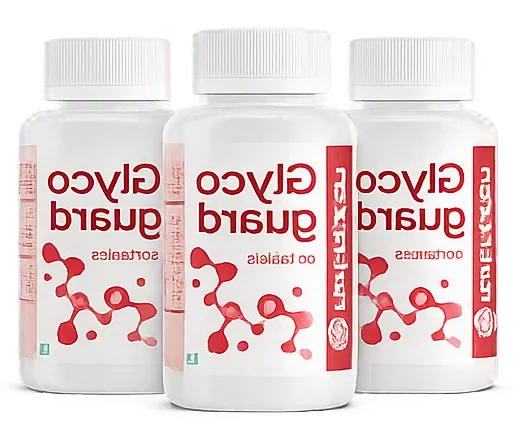
It is arguably the single ingredient with the clearest evidence in a formula like Glycoguard's, though the specific dose in this formula isn't disclosed.
A genuinely well-studied compound
Unlike many botanicals whose modern research base is thin, Berberine has been the subject of a meaningful number of human studies looking at blood sugar markers, generally through its association with AMPK activation, a cellular energy-sensing pathway relevant to glucose uptake.
What research doses typically look like
Clinical research on Berberine for blood sugar support commonly uses doses in the range of several hundred to around a thousand milligrams daily, often split across multiple doses with meals. This is a useful benchmark to keep in mind, even when a specific product's label doesn't state its own dose.
Why the missing dose matters here
What the evidence does not support
Berberine is not a treatment for diagnosed diabetes or any other medical condition. Research generally shows modest, gradual effects in adults with blood sugar already in a normal-to-borderline range, rather than dramatic transformations.
Applying this to Glycoguard
Berberine is the headline ingredient in Glycoguard's five-ingredient formula. Its specific dose is not disclosed on the label we reviewed, which is worth factoring into your comparison against other blood sugar formulas that do print exact amounts.