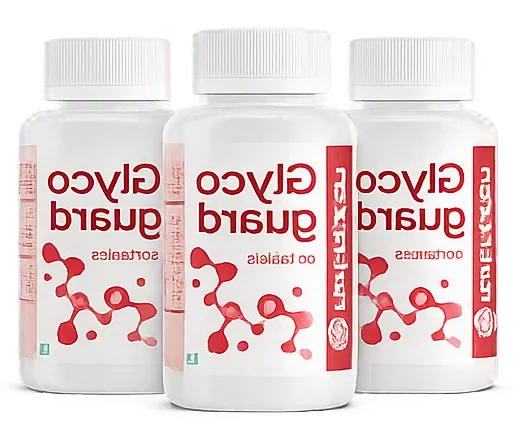
Reading An Undisclosed-Dose Label: What It Means When Milligrams Aren't Shown
Glycoguard's label names five ingredients — Berberine, Cinnamon Bark, Alpha Lipoic Acid, Chromium and Bitter Melon — but does not disclose the individual milligram amount of any of them on the version we reviewed.
This is a different transparency gap than a proprietary blend total, and it's worth understanding the distinction clearly.
Two different transparency gaps
A proprietary blend at least discloses a combined total weight for all ingredients together. A label that simply lists ingredient names with no weight figures at all — neither individual nor combined — provides even less information to work with. This is the pattern on the Glycoguard label we reviewed.
Why this matters for comparison shopping
Published research on ingredients like Berberine typically uses specific milligram ranges. Without a stated dose on the product label, there is no way to check whether Glycoguard's formula falls anywhere near those ranges — it could be at a research-relevant amount, or it could be much lower. The label alone doesn't answer that question.
What a fully transparent label looks like
What to do about it
If exact dosing matters to your decision, contacting the brand directly to ask for a fuller breakdown is a reasonable step before ordering, particularly before committing to a larger bundle.
Applying this to Glycoguard
Glycoguard's label names all five ingredients but does not disclose milligram amounts for any of them on the version we reviewed. This is worth weighing against competing formulas that do print exact doses when you're comparing your options.