Bitter Melon And Glucose Uptake: An Often-Misunderstood Ingredient
Bitter Melon contains charantin, a compound studied for its association with glucose uptake in cells, alongside a long traditional use history in several cultures.
The research is genuine but more modest in scope than some marketing framing implies.
A long traditional history
Bitter Melon (Momordica charantia) has a long history of traditional use for blood sugar support across several culinary and medicinal traditions, particularly in South and Southeast Asian practice.
What charantin is studied for
Charantin, one of the fruit's active compounds, is studied for its association with glucose uptake in cells, a mechanism distinct from Berberine's AMPK-focused pathway. This gives the two ingredients a complementary rather than redundant role in a combined formula.
Being honest about the evidence tier
What the evidence does not support
Bitter Melon is not a substitute for prescribed diabetes medication, and its effects at supplement doses are generally described as modest and gradual, consistent with most botanical ingredients in this category.
Applying this to Glycoguard
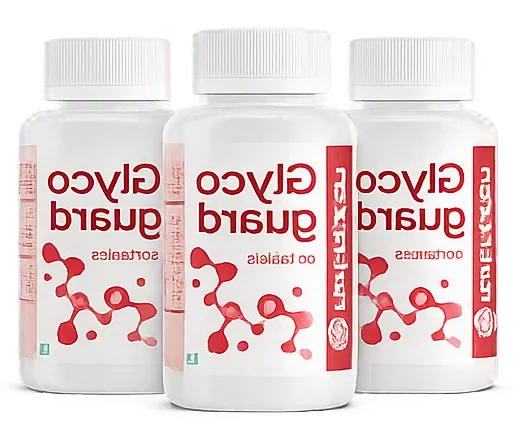
Bitter Melon is one of five ingredients in Glycoguard's formula, included for its charantin content and traditional association with glucose uptake. As with the other ingredients, its specific dose is not disclosed on the label.